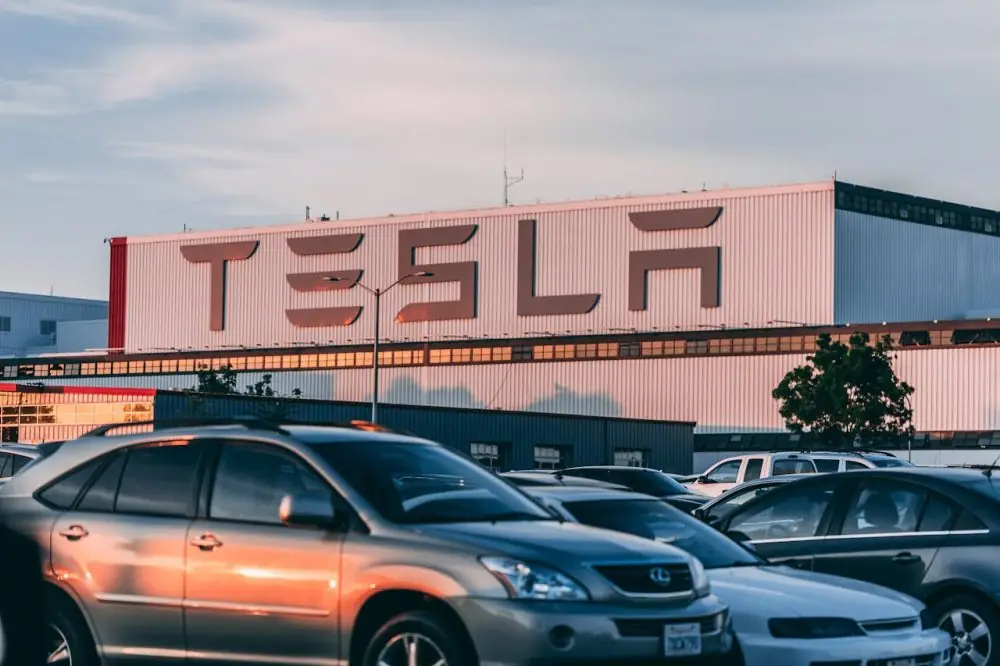
Small businesses were the backbone of Tesla’s massive Texas expansion. From piping systems to security installs, they handled the gritty, hands-on work that made the Gigafactory hum. But now, many are drowning in debt and left wondering if helping Musk was worth the cost.
Texas contractors filed over $110 million in liens tied to Tesla projects in the past five years. At least $24 million remains unpaid.
Essentially, small businesses pay front payroll, buy supplies, and bet on getting paid after the job’s done. The ripple effect hits hard when companies like Tesla stall or dodge payments.
Jennifer Meissner ran Professional Process Piping, and her team handled major work at Tesla’s Texas Gigafactory. When Tesla stopped paying over $1 million, she was forced into bankruptcy. Tesla later settled for $650,000, claiming she had overbilled. That left her personally responsible for crushing debt.
Another case, same story. Full Circle Technologies installed security systems at the Gigafactory. After Tesla withheld $600,000, the company folded. Tesla countersued for breach of contract and paid nothing in the end. That loss didn’t just end a business. It wrecked the lives of thousands.
Contractors say they waited months for checks. Some had to take out high-interest loans to cover payroll. Others walked away and wrote off the loss. You can’t survive that kind of cash squeeze forever.
Other Tech Giants Do the Same
Here is the twist: Other tech giants build in Texas, too. Apple, for example, faced only $1.2 million in liens for similar-sized projects. That is not just a smaller number. It shows Tesla is an outlier. The problem isn’t the size of the work. It is the way Tesla operates.
The sad part is that many of these companies were proud to work on something big. They believed in the mission. They saw Tesla and SpaceX as future-focused, world-changing ventures. But now, they are left cleaning up the mess with little to show for it.
If the richest man in the world can’t, or won’t, pay his bills on time, what chance do small contractors have?
And it is not just Tesla. Musk’s other ventures, like SpaceX and X (formerly Twitter), show the same patterns. Contractors reported unpaid invoices for everything from fuel to construction. Seven vendors linked to X filed for bankruptcy after Musk’s takeover. That is a major red flag.
One anonymous contractor put it bluntly, saying Tesla was “the only company that didn’t care about putting us out of business.”
Some call this aggressive cost-cutting. Others call it exploitation. Either way, small businesses are the ones stuck holding the bag. These are not big corporations that can absorb a loss. These are shops with ten, twenty, maybe fifty employees. Losing one big contract can take them down.
Mind you, running a small business is hard enough. Rising costs, labor shortages, and supply chain issues already make every job a tightrope walk. Add in the risk of not getting paid, and it is no wonder some contractors are walking away from Tesla projects altogether.