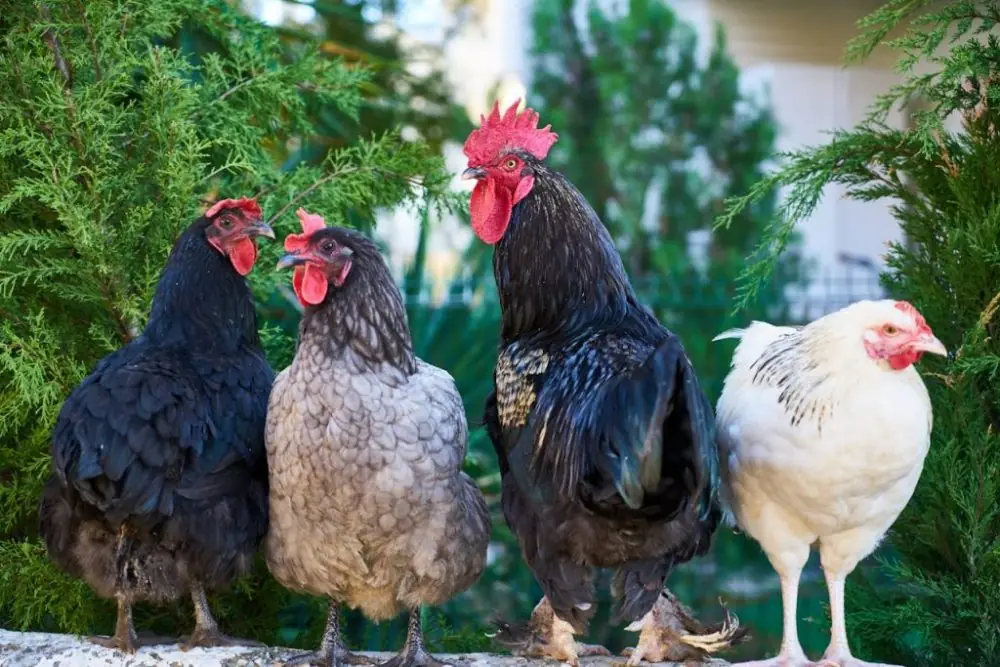
Bird flu is making headlines again, and with good reason. Officially known as avian influenza, this disease primarily affects birds but has been known to jump to humans in rare cases. With infections rising in poultry and wild birds, concerns about its spread to humans are growing.
But what exactly is bird flu, and how do people catch it?
What Is Bird Flu?
Bird flu is a viral infection caused by influenza A viruses. These viruses mainly affect birds, especially wild aquatic birds like ducks and geese, which act as natural carriers. However, certain strains can spill over into domestic poultry, mammals, and, occasionally, humans.
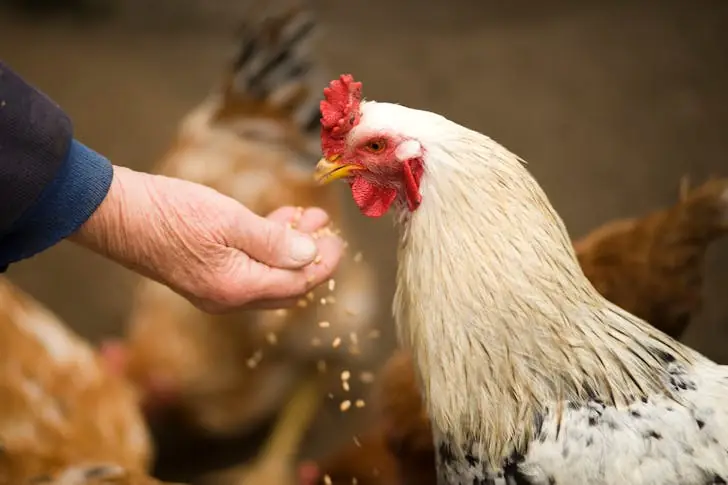
While it mainly infects birds, it can sometimes infect humans through close contact with infected animals or contaminated environments.
How Do People Catch It?
Human cases of bird flu are rare, but they can happen. Most infections occur in people who work directly with poultry, such as farmers or workers in live bird markets. Handling sick birds or cleaning areas contaminated with their droppings increases the risk significantly.
The virus spreads through respiratory droplets or contact with surfaces carrying the virus. For instance, if you touch a contaminated surface and then touch your mouth, nose, or eyes, you could be exposed.
That said, the virus doesn’t spread easily from person to person, which is good news for the general public.
Is Bird Flu Dangerous?
Bird flu can be dangerous because of its potential to cause severe illness in humans. Symptoms often start like regular flu – fever, cough, muscle aches. But it can quickly escalate into severe respiratory issues or even organ failure. Thus, this makes timely diagnosis and treatment critical.
Another reason for concern is the virus’s ability to mutate. In rare cases, bird flu could evolve to spread more easily between humans, which would increase the risk of an outbreak. For now, though, the risk of widespread human transmission remains low.
Who Is Most at Risk?
Farmers, poultry workers, and veterinarians are at the highest risk of contracting bird flu. These individuals are regularly exposed to infected birds or contaminated environments, making them more vulnerable.

So, if you fall into one of these groups, it is essential to take extra precautions when working around birds.
Can You Get Bird Flu from Eating Poultry?
You might be wondering if eating chicken or eggs puts you at risk. The good news is that properly cooked poultry and eggs are safe to eat. Cooking kills the virus, so there is no need to swear off your favorite chicken recipes.
However, be cautious when handling raw poultry. Wash your hands thoroughly, clean surfaces, and cook meat to an internal temperature of 165°F (74°C) to ensure it is virus-free. Simple kitchen hygiene can go a long way in keeping you safe.
How Can You Protect Yourself?
Protecting yourself from bird flu is straightforward. If you work with birds, wear protective gear like gloves and masks to reduce exposure. Avoid touching your face after handling birds, and wash your hands thoroughly with soap and water.
For the rest of us, it is a good idea to steer clear of wild birds and their droppings. Feeding wild birds or handling sick ones is a big no-no. Keeping a safe distance reduces your chances of coming into contact with the virus.