Health care is essential to our lives, but it can be costly, especially if you don’t have health insurance. However, there are ways to find affordable health care without insurance. Here are some tips to help you get the health care you need without breaking the bank.
Look for Free or Low-Cost Health Clinics
Many communities have free or low-cost health clinics that provide various services, including check-ups, immunizations, and screenings. Non-profit organizations often run these clinics, which can be an excellent option for those who don’t have health insurance.

Check for Sliding-Scale Payment Options
Some healthcare providers offer sliding-scale payment options, meaning they charge patients based on income. This can be a great option for those who don’t have health insurance but still need medical attention. Contact your local health department or community health center to find providers that offer payment options that decrease with income.
Use Prescription Discount Programs
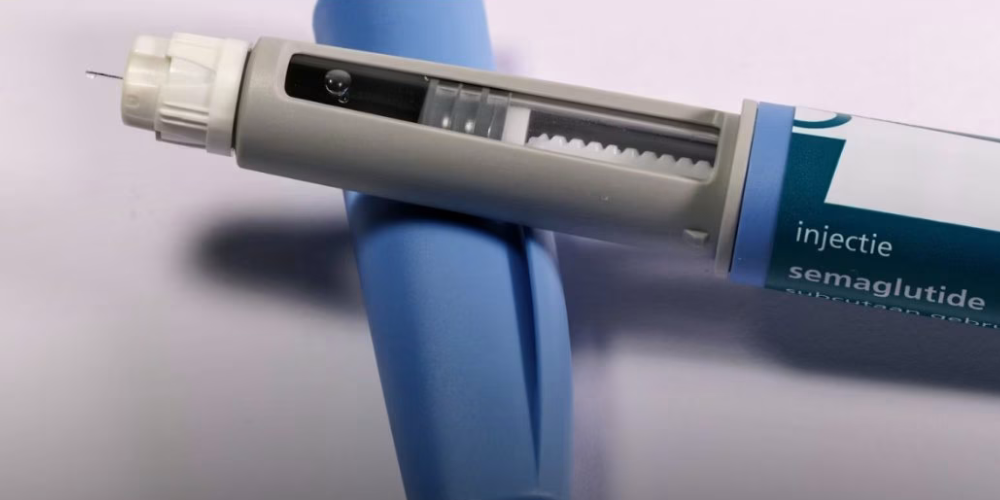
Prescription medications can be very expensive, but several prescription discount programs can help you save money on your prescriptions. Some of these programs are free, while others require a small fee. To find a prescription discount program that works for you, start by contacting your pharmacy or the manufacturer of your medication.
Negotiate Medical Bills
If you receive medical care and a bill you can’t afford, don’t hesitate to negotiate with the health care provider. Many providers are willing to work with patients to create a payment plan or reduce the cost of their services.

Consider Telemedicine
Telemedicine is a relatively new concept that allows patients to receive medical care from a doctor or nurse practitioner through video chat or phone calls. This can be a great option for those who don’t have health insurance because it’s often more affordable than in-person visits.
Utilize Preventative Care
Preventative care is essential to health care and can help you save money in the long run. By receiving regular check-ups and screenings, you can catch health problems early before they become more serious and expensive. Contact your local health department or community health center for preventative care services.
Consider Health Sharing Plans
Health-sharing plans are a type of healthcare plan based on a group of individuals who share the cost of medical expenses. These plans are often more affordable than traditional health insurance, and they can be an excellent option for those who don’t have health insurance. Research providers online or contact your local health department to find a health-sharing plan.
Consider Health Savings Accounts
Health Savings Accounts (HSAs) are a savings account used to pay for medical expenses. HSAs are available to individuals with a high-deductible health plan (HDHP) and offer tax benefits for those who contribute to them. HSAs can be an excellent option for those who don’t have health insurance because they allow you to save money for medical expenses tax-free.
Look for Government Programs
Several government programs provide health care to low-income individuals and families. These programs include Medicaid, CHIP (Children’s Health Insurance Program), and Medicare. Contact your local health department or visit the Healthcare.gov website to see if you qualify for these programs.