
In recent years, a significant shift has taken place in the drinking habits of young adults, particularly among Gen Z. Research shows a marked decline in heavy drinking, especially post-pandemic, as many young adults consciously choose to drink less. This trend is reshaping the alcohol market, prompting brands to adapt to new consumer demands for healthier and more diverse beverage options, including low- and no-alcohol products.
Why Drinking Less Became a Lasting Trend After the Pandemic
According to a study by Carnegie Mellon University, heavy-drinking adults between the ages of 21 and 29 have reduced their alcohol consumption significantly since the COVID-19 pandemic. Researchers found that participants in this group now consume, on average, 12.8 fewer alcoholic drinks per month than they did before the pandemic. The decrease is primarily due to less weekend drinking, suggesting that reduced social gatherings impacted their drinking patterns.
This shift toward drinking less seems to be more than a temporary reaction to the pandemic. As social activities resumed, the habit of reduced alcohol consumption persisted. This indicates a potential cultural shift among Gen Z, one that favors moderation and mindful drinking over traditional binge-drinking habits.
Alcohol Brands Respond to Health-Conscious Trends
The rising preference for reduced alcohol intake among young adults has created new opportunities for alcohol brands. Companies are now investing heavily in no- and low-alcohol drinks to meet the demands of health-conscious Gen Z consumers. Industry giants like Anheuser-Busch and Molson Coors are adjusting their portfolios to include more nonalcoholic options. Anheuser-Busch aims for low- or no-alcohol products to account for 20% of its sales by 2025.
This shift aligns with the “sober curious” movement, a lifestyle trend gaining traction, especially on platforms like TikTok, where young adults share their journey with alcohol-free living. As a result, major players in the beverage industry are increasingly offering products that cater to this demographic, viewing it as a long-term shift rather than a passing trend.
Social Influence and the Rise of the “Sober Curious” Movement
A growing number of Gen Z individuals are adopting the “sober curious” lifestyle, which encourages exploring periods of sobriety or reduced alcohol intake without full commitment to total abstinence. The hashtag #sobercurious has amassed thousands of posts on social media, with users documenting their experiences with alcohol moderation. This movement reflects a broader cultural shift towards wellness and self-care, which values mental and physical health over traditional social drinking.
As this lifestyle becomes more popular, younger consumers are inspiring changes in social norms around drinking. This influence extends to the alcohol industry, which is responding with a wider selection of alcohol-free options that feel socially inclusive, allowing consumers to enjoy the atmosphere of social gatherings without the pressure to drink heavily.
A Booming Market for No- and Low-Alcohol Beverages
The trend of drinking less among Gen Z is reshaping social behaviors and creating substantial growth opportunities in the no- and low-alcohol market. This industry, valued at $11 billion in 2022, is projected to grow by 25% from 2022 to 2026, according to market analysis firm IWSR. With health-conscious younger generations leading the demand, alcohol brands are leveraging this shift to diversify their product lines.
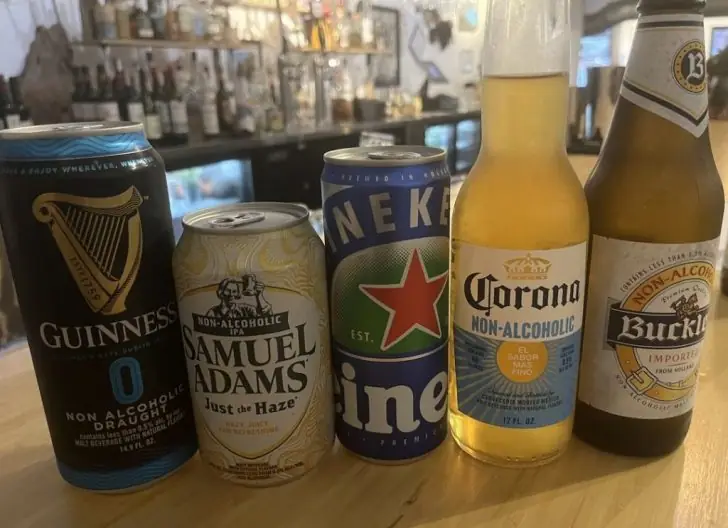
Leading companies are tapping into this expanding market with innovative nonalcoholic products, ranging from alcohol-free beers to complex mocktails. These products cater to consumers seeking healthier choices without sacrificing the experience of a well-crafted drink. The growing market value demonstrates the widespread appeal of this trend, indicating a potentially enduring change in consumer preferences.
New Drinking Patterns and Solitary Consumption
While overall drinking levels have decreased, researchers observed a slight increase in solitary drinking among study participants during the pandemic. This rise, however, was not linked to alcohol as a coping mechanism but rather attributed to the lack of social settings during lockdowns. This pattern highlights an interesting aspect of Gen Z’s approach to alcohol, where drinking alone might be occasional but doesn’t necessarily indicate dependency.
With Gen Z’s preference for drinking less, the alcohol industry faces both challenges and opportunities. The push for healthier choices encourages brands to innovate, offering options that align with wellness-focused lifestyles. As this generation’s influence grows, the alcohol market will likely continue evolving to reflect these changing preferences, marking a new era for the industry.