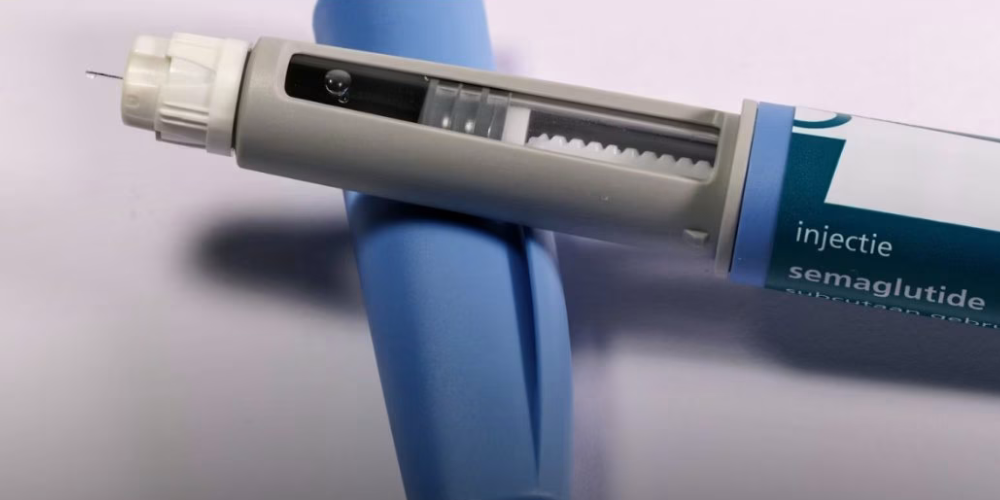
As you age, bone loss seems inevitable. But by making a few smart choices, you can keep your bones strong for years. The body reabsorbs more old bone than it builds, making bones weaker over time. Dr. Abinash Achrekar, KOAT and University of New Mexico health expert, warns that bone loss can progress into serious conditions.
“It can vary in severity and eventually lead to conditions like osteopenia and osteoporosis,” Achrekar says. Once your bones weaken, fractures become more likely – even from small falls.
The good news? You don’t have to wait until you break a bone to take action. Here is how you can avoid bone loss and keep your skeleton sturdy:
Eat Like Your Bones Depend on It
Your diet is a big deal when it comes to bone loss. Calcium and vitamin D are the building blocks of strong bones, yet most people don’t get enough. Dairy products, leafy greens, almonds, and fortified foods can help. But if your diet is falling short, supplements might be a smart move.
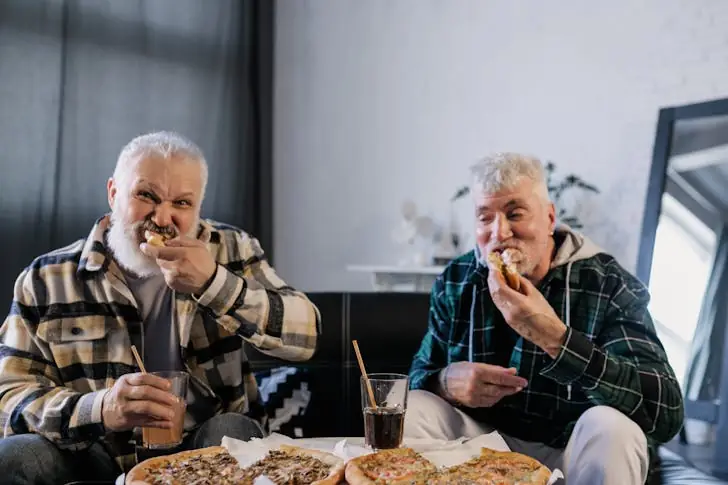
Vitamin D helps your body absorb calcium. So, step outside and soak up some sunlight. Or, eat more salmon, eggs, and mushrooms. If you are still low, a supplement could be a game-changer.
Stay Physically Active
Sitting all day is a surefire way to speed up bone loss. Your bones need pressure and movement to stay strong. Weight-bearing exercises – like walking, jogging, or dancing – force bones to adapt and rebuild. Strength training is just as important. Lifting weights stimulates bone growth and helps prevent fractures.
Even a few minutes of exercise daily can make a difference. Climb stairs, take brisk walks, or do bodyweight exercises like squats and lunges. If you are not moving, your bones are not strengthening. Keep them working so they don’t break down.
Cut Back on Bone-Robbing Habits
Some lifestyle choices drain your bones without you realizing it. Too much alcohol weakens bone structure, and smoking wrecks your body’s ability to absorb calcium. If you drink, stick to moderate levels – one drink a day for women, two for men. Better yet, cut back even more.
Caffeine can also interfere with calcium absorption, especially if you are not getting enough in your diet. That doesn’t mean you need to ditch coffee entirely, but balance it out with calcium-rich foods.
So, if you are guzzling soda all day, it is about time to rethink that habit. Phosphoric acid in soft drinks may also contribute to bone loss.

Get a Bone Density Scan Before It Is Too Late
You can’t feel bone loss happening. That is why a bone density test is crucial, especially if you are over 65 or have risk factors. If you have broken a bone after age 50, it is even more critical to check your bone strength. This simple, painless scan measures how dense and strong your bones are.
The earlier you catch weak bones, the more you can do to prevent fractures. Remember, prevention is easier than treatment. Don’t wait until a fracture forces you to take action.
Get Enough Quality Sleep
Bone health is not just about what you eat and how much you exercise. Your body rebuilds bones while you sleep, making rest just as important. Chronic sleep deprivation throws off hormone levels and weakens bones over time. Poor sleep is linked to lower bone density and a higher risk of fractures.
Aim for at least seven hours of quality sleep each night. Turn off screens before bed, keep your room dark, and maintain a regular sleep schedule.