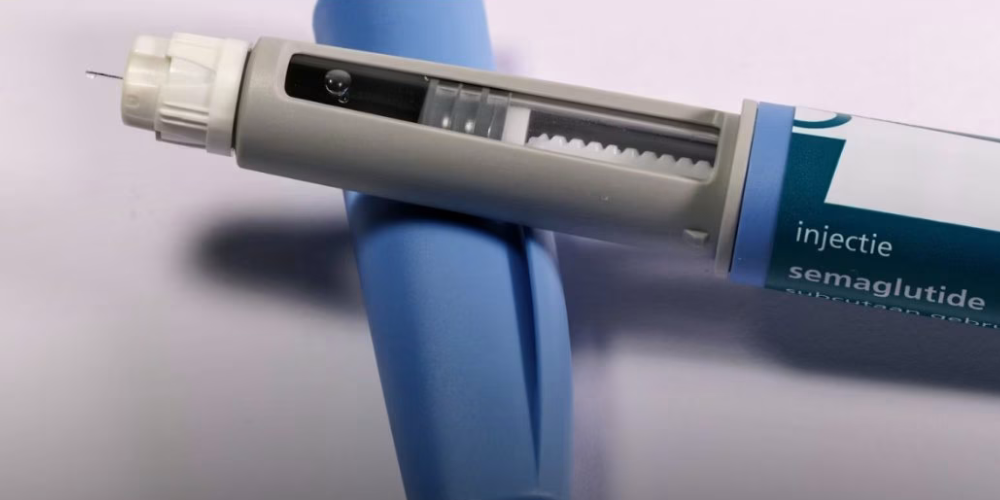
The Medicare program is an essential component of our safety net, especially for seniors and other vulnerable populations. Unfortunately, Medicare fraud has become a widespread problem that results in billions of dollars of losses each year.
Healthcare fraud is a crime that costs taxpayers money, harms beneficiaries, and undermines the integrity of our healthcare system. For seniors, the potential consequences are most severe, as they can sustain significant financial losses and even potential health risks. With that said, here is how you can protect yourself from potential Medica fraud:
Protect Your Medicare Number
It is vital to guard your Medicare number as it is as valuable as your credit card number to fraudsters. Scammers can use your Medicare details to send you fake bills and can also be used for identity theft.
Only give your Medicare number to accepted Medicare providers. Be wary of calls or emails that ask for your Medicare number to avoid scams getting to your personal information.
Review Your Medicare Summary Notices (MSN)
Your MSN is a summary of the services and supplies that healthcare providers billed to Medicare. It shows what your provider charged to Medicare and what Medicare paid. Always check your MSN to make sure that all the details are accurate.
However, if you find any errors or suspicious activities, contact the Medicare Fraud Hotline.
Be Wary of Unsolicited Offers
Next up: Be aware of any unsolicited notifications or emails from unfamiliar persons claiming to be from Medicare or healthcare services. Some fraudsters use fake services and charities to entice seniors into disclosing their Medicare numbers.

Avoid legions of fraudulent ads that promise ‘free’ medical devices or therapies. Why? Well, they are mostly related to scams. And could put your health at risk.
Know the Proper Channels for Medicare Information
Medicare officials will never come to your house or call to ask for personal details like Medicare numbers. They use direct mail, email, or official communication to communicate critical information.
Scammers, on the other hand, will use various ways to get your Medicare numbers, such as phone calls, emails, or phishing techniques. Always be alert and avoid any unsolicited communications.
Report Medicare Fraud
If you suspect that someone is trying to cheat you, or if you notice questionable charges or billing details, do not wait to say something. Report to the Medicare Fraud Hotline, and they will help investigate the issue accordingly.

Opening up will help Medicare to avoid payments to fake healthcare providers. Plus, it can safeguard your fellow seniors from fraudsters.
Summing Up
Fighting Medicare fraud requires vigilance on the part of all concerned individuals. By becoming aware of the types of Medicare fraud that are most common, you can protect yourself from becoming a victim. The Medicare Fraud Hotline is one of the most significant resources available to combat this problem.
Together, we can make a difference and help the government agencies within the healthcare system to maintain the integrity of healthcare in our country. Always remember to protect your personal information, do not trust unfamiliar sources, and report suspicious activity. Stay alert and minimize the hazards of Medicare fraud that we face every day.